Do You Need a New York Tenant Eviction Lawyer to Evict Your Tenant?


Most landlords will eventually be confronted with the eviction process and the need to hire a New York tenant eviction lawyer when they have to evict a tenant, either for non-payment of rent, for other violations of the rental agreement, or because the tenant is holding over past the expiration of his or her tenancy. Whether your tenants have stopped paying rent, or you just want them to move out, we can help you.
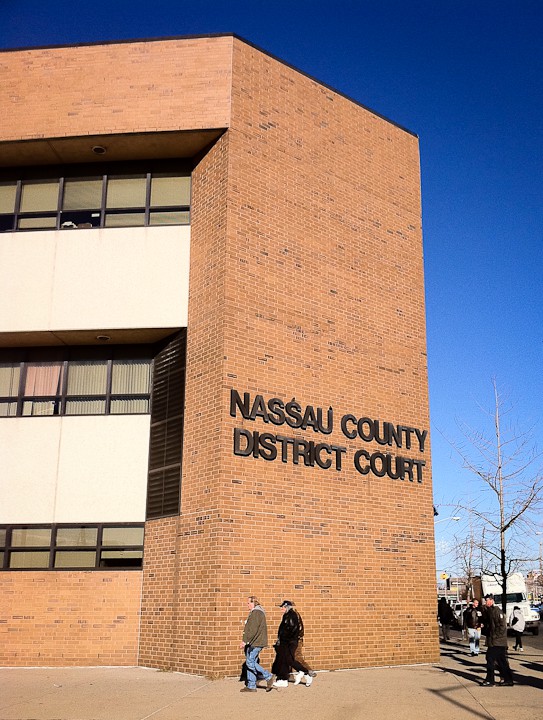
The majority of our practice deals with New York tenant eviction proceedings for both residential and commercial landlords with property located in Suffolk County and Nassau County, and immediate action is our priority. In most cases, we can commence a proceeding to evict your tenant within 72 hours after being retained.
Call us now & speak with a New York tenant eviction lawyer for free:
(631) 747-0356, or e-mail us
The New York Tenant Eviction Process
The two most typical types of actions initiated by a New York tenant eviction lawyer to evict a tenant in Nassau and Suffolk County are:
Non-Payment Proceedings – Initiated to evict a tenant because he or she has failed to pay rent, despite the landlord’s demand for payment. A non-payment proceeding is generally faster than a hold-over proceeding, but if the tenant pays the back rent owed on or before the court date, the Court will dismiss your case and will allow the tenant to remain in possession of the premises. If you are willing to allow your tenant to remain if they pay the back rent owed, a non-payment proceeding may be for you.
Hold-Over Proceedings – Initiated to evict a tenant where non-payment of rent is not the main reason for the eviction and there is no written rental agreement for a term that has not yet expired. The primary goal of a hold-over proceeding is the removal of the tenant with no opportunity for the tenant to “pay and stay.” Hold-over proceedings generally take longer than non-payment proceedings to resolve, however even if your tenant pays the back rent owed, you can still have him or her removed. If you just want your tenants removed from the premises, even if they come current with the rent, a hold-over proceeding may be for you.
If you are unsure which type of proceeding is best for you, call us now &
speak with a New York tenant eviction lawyer for free:
(631) 747-0356, or e-mail us
Step 1:
Once you know the type of proceeding you wish to initiate, the first step is to consult with a New York tenant eviction lawyer, who will determine what type of notice, if any, must be served on your tenant prior to commencing the proceeding. The type and content of the notice and the method of service depend on many factors, including the type of tenancy, the reason for the eviction and the requirements of the written rental agreement, if any. You should consult with a New York tenant eviction lawyer before trying to serve a notice on your own. Often landlords serve their own form of notice, which has no legal effect and only serves to delay the eviction process. When you retain us as your New York tenant eviction lawyer, we will draft the proper notice to terminate the tenancy for you at no additional charge.
Step 2:
Commence an action to evict a tenant: The correct forum and venue for the action must be determined, based on the location of the property. A notice of petition with petition will then be drafted by your landlord-tenant attorney, and filed in the appropriate court. A filing fee must be paid to the clerk of the court, who will usually assign an index number at the time of filing. When you retain us as your New York tenant eviction lawyer, all court filing fees are included in our fee.
The notice of petition with petition must then be properly served on your tenants in accordance with the Real Property Actions and Proceedings Law, and affidavits of service must be executed and timely filed with the court before your appearance date.
Step 3:
Your New York tenant eviction lawyer will appear in court on your behalf on the date the petition is noticed to be heard. If the tenant appears in the action, it will be necessary for the landlord, or someone with personal knowledge of the facts of the case, to appear in court and testify at the hearing. As your New York tenant eviction lawyer, we will guide you and prepare you in advance for your appearance, and we will advise you with particularity as to each step in the eviction process.
Step 4:
After your case is won, your New York tenant eviction lawyer must submit a proposed judgment and warrant of eviction to the court. Once the hearing is over, the judge will issue his or her decision. If you prevail, your New York tenant eviction lawyer will then draft and submit a proposed judgment (both for money, if awarded, and for possession) and a warrant of eviction on your behalf, and will submit them to the court with payment of the fee for a transcript of judgment. Drafting a proposed judgment and warrant of eviction, submitting them to the court, and paying the court’s fee for your transcript of judgment is included in our service.
You will need a transcript of judgment if you plan to enforce your judgment and have your warrant of eviction executed. Once submitted, you then must wait for the judge to approve and sign your judgment and warrant, and mail them to your New York tenant eviction lawyer, who will forward them to you with further instructions. This will generally conclude the courtroom part of the eviction process.
Step 5:
Physical removal of your tenants: Usually tenants who lose at trial vacate the premises shortly thereafter. In some cases, tenants will still refuse to leave the premises, and you will have to contact the Sheriff to physically remove them. When you retain us as your New York tenant eviction lawyer, we will give you explicit instructions to guide you through your contact with the Sheriff’s office. The first action the Sheriff will take will be to serve your tenants with a 72–hour notice, advising them that they have 72 hours to vacate the premises or they will be physically removed. If your tenants still have not vacated the premises at the expiration of the 72-hour notice, the Sheriff will return sometime thereafter and physically remove your tenants and their belongings, and return possession back to you.
If the tenant causes damage to the property in excess of any security deposit you may be holding, you can start a new court action to recover your losses.
As you can see, the eviction process in the State of New York is complex, and there are strict requirements that must be followed before a court will grant you a money judgment for the back rent owed, and a warrant of eviction to physically remove your tenant. You need an experienced New York tenant eviction lawyer on your side. Call us today.


(Or Click “Contact” Above to E-Mail Us)